
Is Your AI Violating DEI Standards?
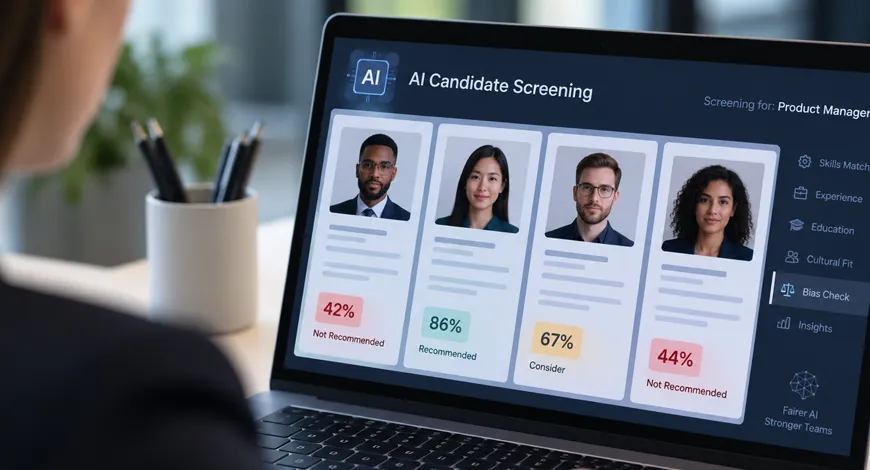

How hidden biases in your AI tools might be quietly impacting key compliance standards… and how to stop them.
Many businesses spend years developing a culture of diversity, equity, and inclusion. Not just because you need to meet emerging compliance standards, but because a diverse workforce brings a variety of fresh ideas and perspectives that can help your business thrive.
But now there’s a new class of AI “employees” entering the workforce, and they may be sneaking in a whole host of biases that, if left unchecked, could quietly create reputational, legal, and operational risks for your organization .
Hidden Biases “Baked Into” AI
While AI often seems like a wondrous technology, constantly outthinking and outmaneuvering humans at traditionally human-led tasks, it is still fundamentally a technology crafted by and trained on…humans.
Which means most AIs have quietly absorbed not just our skills, but our hidden biases and prejudices.
Multiple independent studies evaluating various AI tools and platforms for racial and gender-based biases have found significant biases built into their algorithms.
For instance, according to research reported by EUobserver, researchers found that Apple’s “Apple Intelligence” feature exhibited patterns of racial bias and gender stereotypes when summarizing user notifications .
And a study published by the Brookings Institution revealed that a popular AI tool used for resume screening displayed “significant discrimination based on gender, racial identities, and their intersections.” This is even more worrying, since many AI resume scanners have been marketed as tools to reduce human bias in the hiring process.
So what do you do when the tools you’re depending on to offload key tasks and keep your business compliant might be silently shifting your company culture and putting you at risk of not just failing to meet your own standards for equal treatment in a diverse workplace, but also those of compliance boards and regulatory bodies?
Put Your AI to the Test
Specialized testing solutions now exist to scrutinize AI systems your organization utilizes for hidden biases and systemic inequities. These platforms provide a clear scorecard that reveals potential risks and exactly how your agents perform against rigorous standards. By integrating these assessments into your regular operations, whether as periodic audits or as a continuous oversight model, you can take proactive steps to safeguard the diverse, equitable, and inclusive ecosystem you have fought so hard to cultivate.
Tools like VIPRE’s AI Assurance can test your AI for hidden biases, assess the quality of its overall outputs and help identify the risk of operational, security, or reputational exposure. It can then provide recommendations on how to mitigate risks and align outputs with internal governance frameworks.
By consistently testing your AI using these advanced tools, you can stress test these systems to get ahead of any emerging risky patterns or behaviors before they become huge problems.
AI works fast, which means the systems that govern it need to move just as fast. As you scale your AI integration, you also need to scale the safeguards you have in place to ensure your company remains secure in the long term, especially as regulations governing AI output and behavior continue to evolve.
If you’re unsure how compliant your current AI infrastructure is with DEI standards or just want an in-depth look at how well it’s performing across your organization, you can schedule an AI Assurance Assessment with one of our VIPRE specialists here.
Disclaimer: This blog post is provided for informational purposes only and does not constitute formal legal, regulatory or compliance advice. Readers should consult with qualified legal counsel regarding specific corporate compliance requirements.
VIPRE IES: Handling Complex Threats Simply
Don’t replace your SEG, elevate it.